Login/Register

 Trishul Defence Academy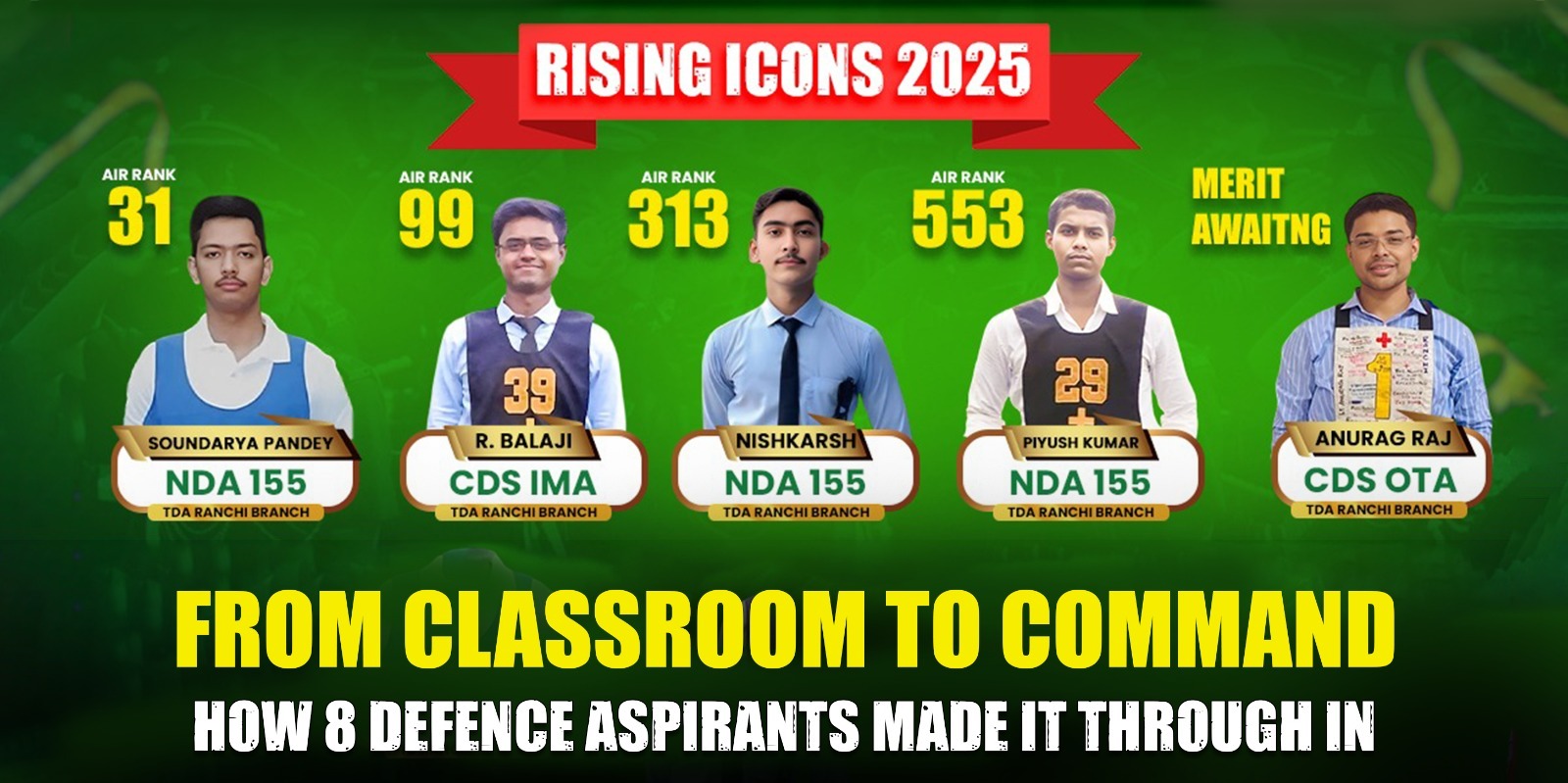
When parents entrust their children to a defence coaching academy, they’re looking for one thing: results that reflect genuine preparation, not marketing promises. The 2025-2026 academic cycle at Trishul Defence Academy in Ranchi has produced eight recommendations across NDA, CDS, and Naval entries—each representing a different starting point, but all following the same systematic approach to selection.
This isn’t about celebrating isolated victories. It’s about understanding what actually works when preparing for one of India’s most rigorous selection processes.
The Numbers That Matter
Between 2025 and early 2026, eight candidates from varied academic backgrounds received recommendations:
- Utkarsh Singh (NDA-154): Naval Selection Board, Visakhapatnam
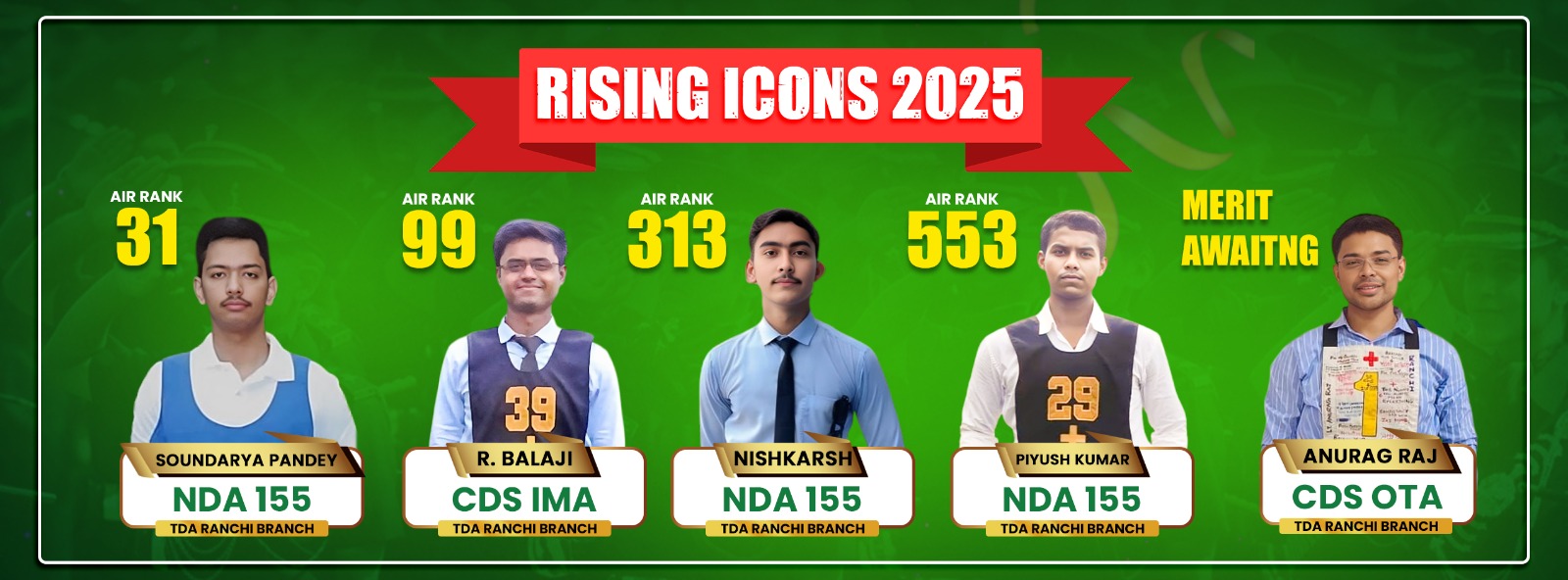
- Soundrya Pandey (NDA-155): All India Rank 31, Air Force preference
- R. Balaji (CDS-IMA): All India Rank 31, mathematics researcher background
- Anurag Raj: Officers Training Academy (OTA)
- Pratik Kumar Singh: 2 AFSB Mysore, August 2024
- Janvi Panwar: Indian Navy SSC NAOO Entry
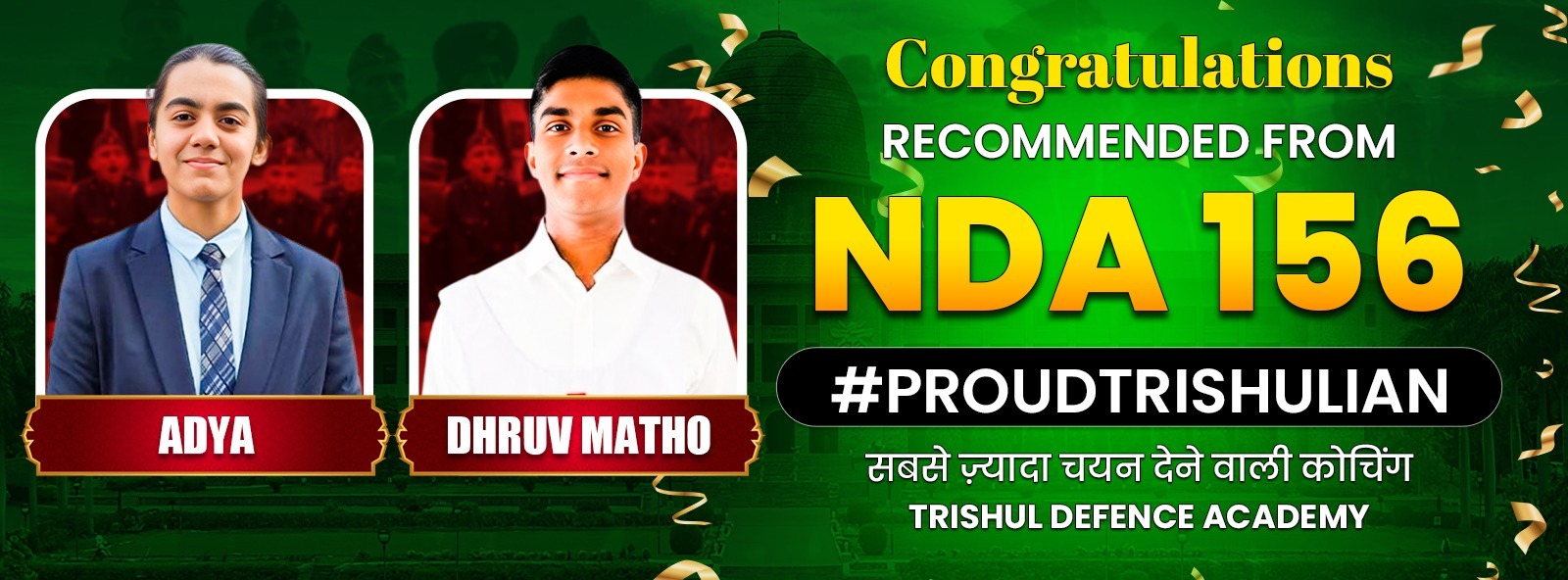
- Adya (NDA-156): Recently recommended
- Dhruv (NDA-156): Recently recommended
Two achieved All India Rank 31 in their respective exams. One left a mathematics research career at Chennai Mathematical Institute. Another was a 12th-grade Foundation student. One was a geography postgraduate who self-studied the written exam but needed SSB guidance.
The diversity of profiles points to something more structured than chance.
What Actually Happens Inside the Academy
The Assessor’s Perspective
Trishul Defence Academy operates under the direction of Brigadier Amar Narayan, who served as President of SSB Allahabad for over three years. This isn’t a credential mentioned for prestige—it’s the operational difference.
Anurag Raj, the geography postgraduate, was recommended from 19 SSB Allahabad, the same board where Brigadier Narayan previously served. He noted that the 14-day immersion program clarified what the SSB actually evaluates, allowing him to present himself authentically rather than perform a rehearsed version of leadership.
Soundrya Pandey, the NDA topper, was specific in his feedback: the guidance wasn’t about “faking” a personality but about becoming a “good human being”—the actual foundation of Officer Like Qualities (OLQs) that assessors look for.
This matters because defence selection isn’t a test you can “crack” with techniques. It’s an evaluation of character under observation. When training is designed by someone who has assessed 3,000+ candidates from the other side of the table, students learn what genuine leadership looks like, not what it’s supposed to sound like.
Infrastructure That Mirrors Reality
The academy maintains one of Eastern India’s largest GTO training grounds, structured to replicate actual SSB obstacle courses.
Pratik Kumar Singh, recommended from 2 AFSB Mysore, credited specific faculty interventions: Group Discussion sessions that improved his public speaking and General Knowledge classes that filled awareness gaps. But the physical infrastructure played an equally important role—by the time candidates reach the actual SSB, the obstacles, group tasks, and command scenarios are familiar environments, not sources of anxiety.
This removes what psychologists call “cognitive load.” When you’re not figuring out how to navigate a snake race for the first time, you can focus on demonstrating leadership dynamics instead.
The Residential Discipline Model
Balaji’s case is particularly instructive. Despite being a mathematics researcher with an All India Rank 33 in the ISI entrance exam, he needed what he called “guidance, discipline, and constant support” to transition from academic brilliance to military leadership readiness.
The academy operates a 400-bed residential facility with regulated study hours, physical training schedules, and controlled screen time. This isn’t about strictness for its own sake—it’s about conditioning civilian mindsets toward regimental life before selection, not after.
Balaji specifically cited this “disciplined environment” as the catalyst that bridged the gap between intellectual capability and practical leadership.
Why Different Profiles Succeed with the Same System
The Foundation Student (Soundrya Pandey)
Starting defence preparation alongside school curriculum is a calculated risk. Soundrya’s success—clearing NDA in his first attempt with AIR 31—validates the integrated approach where both streams run concurrently without compromising either.
The Academic Specialist (R. Balaji)
High-intellect candidates often struggle with SSB interviews because the evaluation isn’t academic. Balaji’s transition from mathematics research to IMA recommendation demonstrates that systematic behavioural training can align even highly specialized minds with military leadership requirements.
The Self-Study Graduate (Anurag Raj)
Many candidates clear written exams independently but face barriers at SSB. Anurag’s trajectory—self-studying for CDS but seeking institutional support for the interview—shows that understanding SSB expectations requires insider perspective, not just determination.
The Female Officer Candidate (Janvi Panwar)
Janvi’s feedback about the training “empowering her to take control” highlights a specific challenge for women entering command roles in the armed forces. The confidence required isn’t performative—it’s developed through repeated exposure to leadership scenarios in a structured environment.
What Parents Should Actually Look For
When evaluating defence coaching institutions, marketing materials will always promise results. What distinguishes systematic success from isolated victories are three verifiable factors:
- Leadership with assessor experience: Is training designed by individuals who have conducted SSB interviews, or by those who have only appeared for them?
- Infrastructure that replicates actual SSB environments: Are candidates practicing on theoretical models or physical replicas of what they’ll face?
- Residential discipline that conditions behavior: Is the training environment structured to transition civilian habits toward military routines before selection pressure begins?
These aren’t luxuries. They’re operational requirements that show up in recommendation letters.
The 2025-2026 Cycle Continues
With Adya and Dhruv’s recent recommendations for NDA-156, the current academic cycle demonstrates consistency, not just peak results. The system isn’t producing occasional toppers—it’s generating predictable outcomes across entry types, academic backgrounds, and service preferences.
Over 500+ officers and 2,000+ other ranks have been selected through this approach since the academy’s inception. The 2025-2026 cycle adds to this pattern, not as an exception, but as a continuation of structured preparation meeting systematic evaluation.
Frequently Asked Questions
Q: How long does the typical preparation take at TrishulDefence Academy?
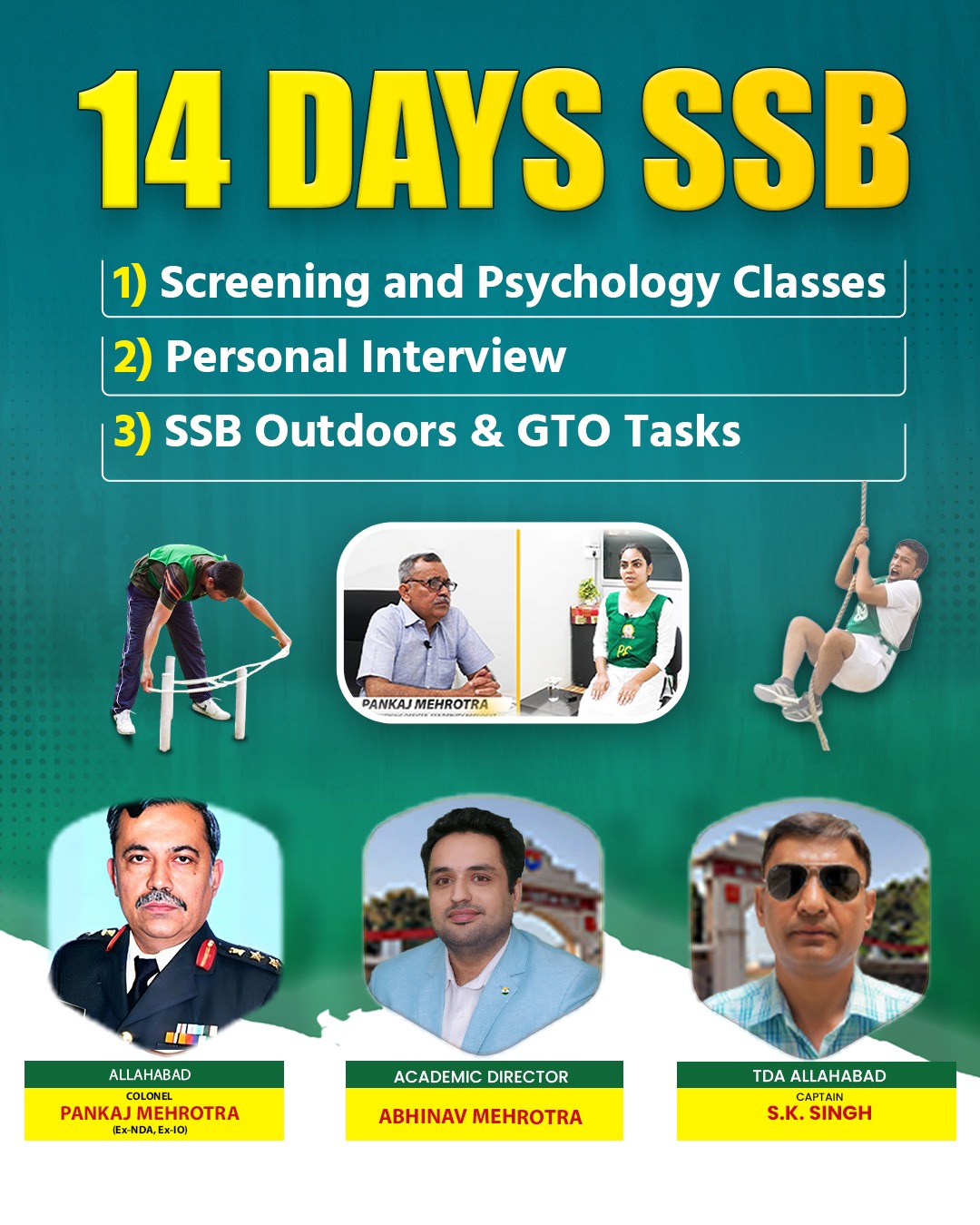
Preparation duration varies by entry type and starting point. Foundation students like Soundrya Pandey integrate defence prep with school curriculum over 1-2 years. Graduate candidates typically undergo 6-14 months of focused training. The 14-day SSB immersion program is available for those who’ve cleared written exams independently.
Q: What is Brigadier Amar Narayan’s role in the training?
Brigadier Amar Narayan, former President of SSB Allahabad, directs the academy’s training methodology. His three years of assessing 3,000+ candidates informs how training is structured—focusing on genuine Officer Like Qualities rather than coached responses.
Q: Can high-academic achievers succeed in defence selection without specialized training?
Academic excellence doesn’t automatically translate to SSB success. R. Balaji’s case—a mathematics researcher who needed systematic behavioral training—demonstrates that military leadership evaluation requires different preparation than academic tests.
Q: Is the residential program mandatory?
The 400-bed residential facility provides regulated discipline that conditions candidates for military life. While not always mandatory, residential students like R. Balaji specifically credit this structure for their success. It enforces study routines, physical training, and behavioral discipline that day-scholar programs cannot replicate.
Q: How does the academy prepare female candidates differently?
Female candidates like Janvi Panwar receive the same rigorous training, with additional focus on command confidence—critical for women entering traditionally male-dominated service roles. The training “empowers taking control” rather than adaptation, preparing them for leadership positions, not token representation.
Q: What’s the success rate for candidates who’ve failed SSB previously?
The academy doesn’t publish aggregate success rates, but the structured approach—especially for candidates who’ve cleared written exams but failed SSB—focuses on diagnosing specific weaknesses (communication, awareness, physical fitness) rather than generic retraining.
Q: Are the GTO training grounds actual replicas of SSB facilities?
Yes. The academy operates one of Eastern India’s largest GTO grounds, modeled on actual SSB obstacle layouts. Candidates practice Progressive Group Tasks, Snake Races, and Individual Obstacles on physical replicas, not theoretical models—eliminating environmental surprises during actual SSB.